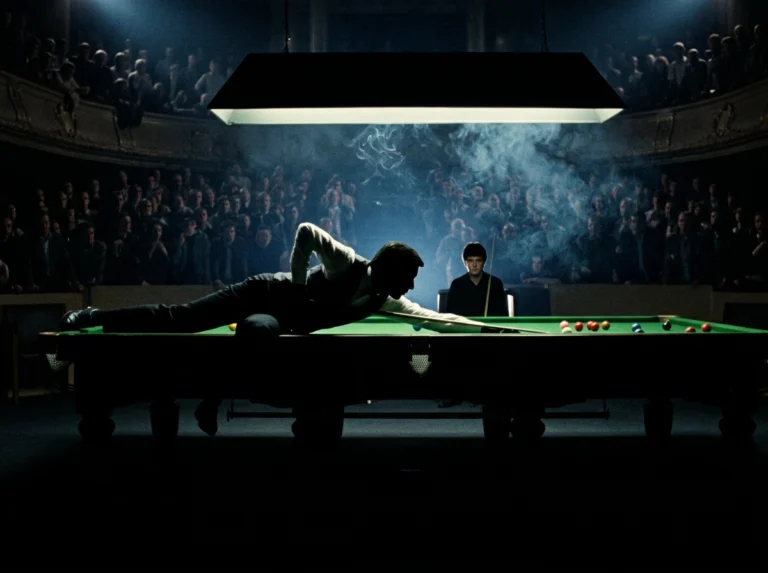

The Row That Split Snooker
It started with money. By 1952, the professional players, organised as the Professional Billiards Players’ Association (PBPA), had fallen out with the governing body, the Billiards Association and Control Council (BACC), over how championship income was shared.
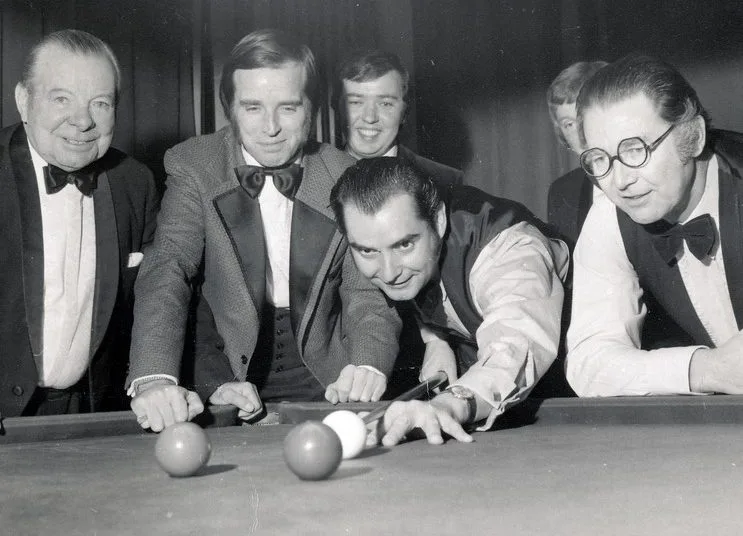
The BACC insisted the championship was “an affair of honour”. The players were unmoved and set up a rival event, the World Professional Match-play Championship.
The BACC staged its World Championship anyway. According to the WPBSA’s official history, most of the leading professionals stayed away, and only two players entered.
Ninety-Four Frames to Nil Opposition
One entrant was Clark McConachy of New Zealand. The other was an Australian who had waited a long time for his chance.
With nobody else in the draw, the title came down to one marathon match at Houldsworth Hall, Manchester, in February and March 1952. The Australian won 94-49, and that single win made him world champion.
Days later, Blackpool crowned a champion of its own. At Tower Circus, Fred Davis beat Walter Donaldson 38-35 to win the players’ Match-play event.
Snooker now had two champions from two rival events. The WPBSA’s official history is blunt about the Manchester match, describing it as a contest “recognised by virtually nobody”.
The split cost the game dearly. Snooker Scene reports that it damaged snooker’s credibility, and that the championship was scrapped after its 1957 staging, not returning until 1964.
Does 1952 Count?
Those who back the title point out that the governing body staged the championship and he won it. Critics answer that one match between the only two entrants, with most of the top players absent, does not belong beside the rest.
His family kept the claim alive. When Neil Robertson lifted the trophy in 2010, the WPBSA notes, they were still protesting that their man had been the first Australian world champion.
A Family Built on the Baize
So who was he?
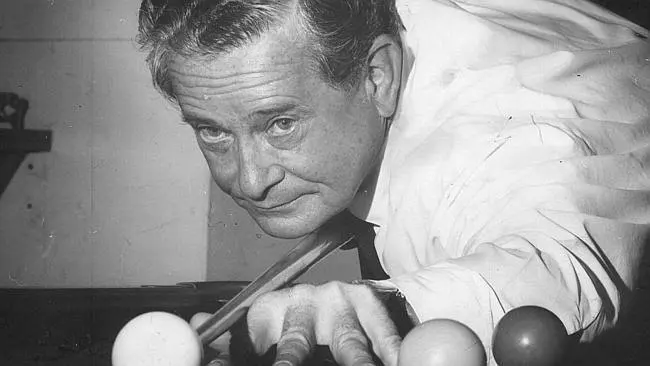
He was born in Sydney in 1912 into Australia’s great billiards family. Before 1952 he had reached three world finals, in 1936, 1937 and 1946, and lost every one of them to Joe Davis.
His uncle was the billiards legend Walter Lindrum. The Australian Dictionary of Biography records that the nephew changed his name to Lindrum and “became world snooker champion”.
His name was Horace Lindrum. He died in 1974, and the argument over his title has outlived him.
So what do you think? Should Horace Lindrum’s 1952 title stand alongside every other world champion, or does a two-man field mean it shouldn’t count?